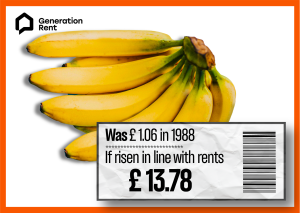
Ahead of the Senedd elections in May 2026, we’re urging all political parties in Wales to commit to protecting renters in Wales from unfair evictions and soaring rents
Our new manifesto ‘Standing up for renters in Wales’, (also available in Welsh) outlines three key policies political parties must support:
- Limiting rent rises.
- Ending unfair Section 173 evictions
- Compensation for renters being evicted
Homes are the foundations of our lives, but renters in Wales are at constant risk of sudden evictions or rent hikes. High rents leave nothing for the single parent trapped between their rocketing bills and the price of the roof over their head. Nothing for the pensioner, who is forced to stay in a cold and damp home, because it’s better than no home at all.
ONS figures show the average monthly rent in Wales reached £817 in October 2025, a 6.7% increase in just one year. Separate data from Zoopla shows that new rental listings rose in price by 4.3% between April 2024 and April 2025, almost three times faster than in London.
The pressure on renters is even greater in Wales’ cities. In Cardiff, the average rent hit £1,131 in June 2025, up 9.3% in a year. At this rate, a household paying the average rent in the city will send over £50,000 in rent to their landlord in just four years. In Newport, rents have surged by 21.2% in the past year—the fastest rise recorded anywhere in Great Britain, according to Rightmove.
Despite the soaring costs, the most recent Welsh Housing Conditions Survey found that Wales has the oldest housing stock in the UK, with privately rented homes in the worst condition. Nearly 43% of privately rented homes were built before 1919, 24% contain dangerous hazards, and 13% have damp problems.
At the same time Section 173 evictions mean landlords can evict renters in Wales without reason, leaving them more vulnerable to arbitrary or retaliatory evictions than tenants anywhere else in Britain. These types of evictions were banned in Scotland in 2017 and have been outlawed in England’s Renters’ Rights Act.
When renters are not secure in their homes, the impact ripples across society, forcing people into homelessness and poverty. Every party running in the Welsh elections next year must therefore commit to outlawing Section 173.
Meanwhile, unwanted home moves are expensive and disruptive for renters in Wales. New research from Generation Rent shows that a typical private renter household pays £1,543 in costs when they are forced to move, covering new deposits, overlapping rent payments, moving fees, and time taken off work.
To reduce this financial strain, Generation Rent is urging all political parties to back a simple, fair proposal: when a landlord issues a no-fault eviction notice, they should waive rent for the first two months of the notice period. This would give tenants the breathing space they need to find a new home without falling into debt or homelessness, with the number of people trapped living in temporary accommodation in Wales currently at record levels.
Making sure our rents cannot spiral out of control, that we cannot be evicted on a whim and that we are given breathing space for our next move are ways that we can ensure renters in Wales are safe and secure in their own homes.