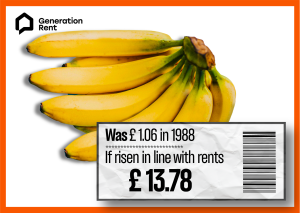
Almost 1 in 4 tenants say their deposit was unfairly withheld – but most never challenge it.
Almost a quarter of private renters (22%) report unfair deductions from their deposit at the end of their tenancy, yet just 4% used the formal dispute resolution process to try and reclaim the money, new research from Generation Rent reveals today.
Nearly a third of tenants (32%) who challenge landlord deductions get all their money back, suggest figures from one deposit protection scheme. But opaque timescales, financial pressure to settle with the landlord and low awareness of rights means up to 296,000 tenants each year could be losing hundreds of pounds when they move home.
The findings raise questions about whether the current deposit system is working as intended for renters. Throughout the UK, landlords are required to protect tenancy deposits in one of three government-accredited schemes, which can adjudicate disputes at the end of the tenancy. Since 2019, deposits in England are capped at five weeks’ rent. According to FOI data obtained via MHCLG, on 31 March 2025 the average deposit in England and Wales was worth £1150.
According to a nationally representative survey of 2000 private renters conducted by Opinium for Generation Rent, almost half (46%) of renters didn’t know they could challenge deductions on their deposit through a protection scheme. Meanwhile, 7% of all tenants said that their landlord hadn’t protected their deposit.
Of those who faced unfair deductions but didn’t dispute them, 36% thought that either the process would take too long, wouldn’t be fair, or they didn’t have enough evidence to back up their case.
In other cases, the landlord was a barrier; 26% of renters who didn’t challenge unfair deductions reported that their landlord either threatened to make a larger claim if they raised a dispute with the scheme, refused the adjudication process, or had not protected their deposit in the first place.
Yet for those who do take action, the process usually pays off, with data from one protection scheme, TDS, indicating that 77% of tenants get some of their disputed deposit back, and 32% get all of it. Generation Rent analysis suggests that tenants who dispute deductions get around 79% of their deposit back on average.
Delays can mean tenants can be out of pocket for weeks or months after paying a new deposit and before getting the old one back. With rents climbing and deposits reaching thousands of pounds, renters taking part in Generation Rent focus groups reported having to cut back on essentials, skip activities for their children, or even give up on moving home altogether – simply because their money is locked away.
Eileen, 52, private renter:
‘Having to have the extra money [to cover two deposits at once] and the time taken to get the first one back, it’s a real burden. Sometimes [it] means having to borrow money, but this doesn’t mean the tenant doesn’t have the ability to pay rent.’
Steven, 42, private renter:
‘Getting your previous deposit back might be the difference between actually being able to afford your essentials that month’
Urgent change is needed to the deposit system to make sure tenants aren’t being short-changed. The government is currently reviewing the deposit protection system in England and Wales ahead of renewal of the deposit schemes’ accreditation next year. Generation Rent is calling for:
- A 14-day deadline: Landlords or agents should be required to return deposits or make a claim on them within 14 days of tenancy end.
- Mandatory dispute resolution: If a tenant wants to use the protection scheme’s formal dispute process (ADR), the landlord should not be allowed to refuse to take part.
- Faster decisions: All deposit disputes should be resolved within 10 working days.
- Immediate partial returns: Any part of the deposit that isn’t being disputed must be returned to the tenant immediately, without waiting for the rest to be settled.
- Effective penalties: Landlords and agents who break the rules – or make repeated excessive deductions – must face meaningful penalties.
- Direct payment to the scheme: Tenants should be able to pay their deposit direct to the scheme, which will make it easier for schemes to send them timely information about protections and how to dispute unfair claims.
- Enforcement of non-protection through the new Private Landlord Ombudsman: This would make it easier for tenants, who must currently take their landlord to court if the deposit has not been protected.
Dan Wilson Craw, deputy chief executive of Generation Rent, says:
“When you’re moving home, the uncertain timescales and unclear rules of the deposit system, as well as obstructiveness and threats from some landlords, mean that accepting unfair deductions to get some cash back quickly can feel like the better option.
“But because challenging deposit deductions is usually worth it, renters put off from doing so are losing hundreds of pounds of their own money. The government’s review of deposit protection is an opportunity to build trust in the system so tenants have the confidence to challenge unfair landlord claims.”
Update: read our full report.
Note: the figure of 296,000 tenants that could be losing hundreds of pounds each year based on 19% of the number of deposits submitted for protection (1.56m) in 2021-22 (19% of survey respondents did not dispute deductions which they did not think were reasonable).
Read more about your rights when you’re moving out – and when your landlord hasn’t protected your deposit